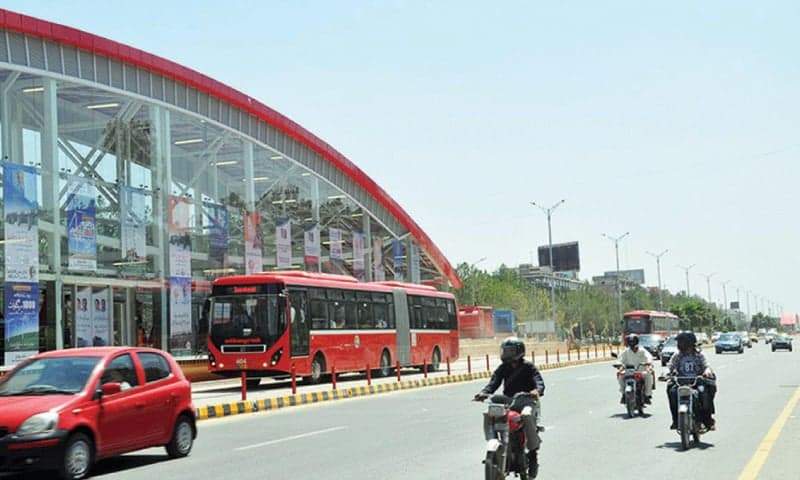
Islamabad–Rawalpindi MetroBus
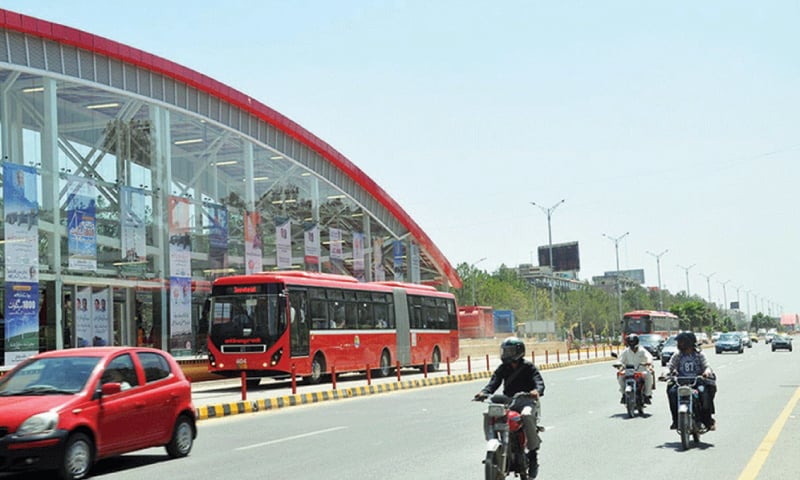
The Islamabad–Rawalpindi MetroBus Red Line is Pakistan's flagship intercity bus rapid transit corridor, running 22.5 kilometres between Pak Secretariat in Islamabad and Saddar in Rawalpindi along dedicated lanes with 24 high-capacity stations. Launched in 2015, it gave millions of commuters in the twin cities a faster, more predictable alternative to informal transport and private vehicles. TRVERSE delivered the digital payments foundation for the network (automated fare collection, payment application development, and Mastercard and Visa certifications) enabling cashless, card-ready journeys at scale.
Challenge
A national-capital corridor demanding integrated, modern fare infrastructure.
Rawalpindi and Islamabad form one of Pakistan's largest metropolitan areas, yet for years commuters moved between the twin cities through fragmented, informal transport with little reliability or fare transparency. Rising traffic congestion on the Murree Road and Islamabad Expressway corridors increased travel times and pushed more residents toward private vehicles, straining road capacity across the capital. Authorities needed a high-capacity metro bus link that could move large passenger volumes efficiently, while supporting modern electronic fare collection and bank-card payments at the scale of a national capital corridor.
Solution
- 1AFC deployed across all 24 stations with multi-payment support including smart-card validation aligned to high daily ridership
- 2Payment application development; a purpose-built payments layer supporting metro bus fare products, top-ups, and commuter transactions
- 3Mastercard and Visa payment certifications secured, enabling bank-card acceptance and giving commuters trusted payment options at every station
- 4Integrated operations dashboard for corridor-wide service management
Outcomes
Measurable results delivered in production