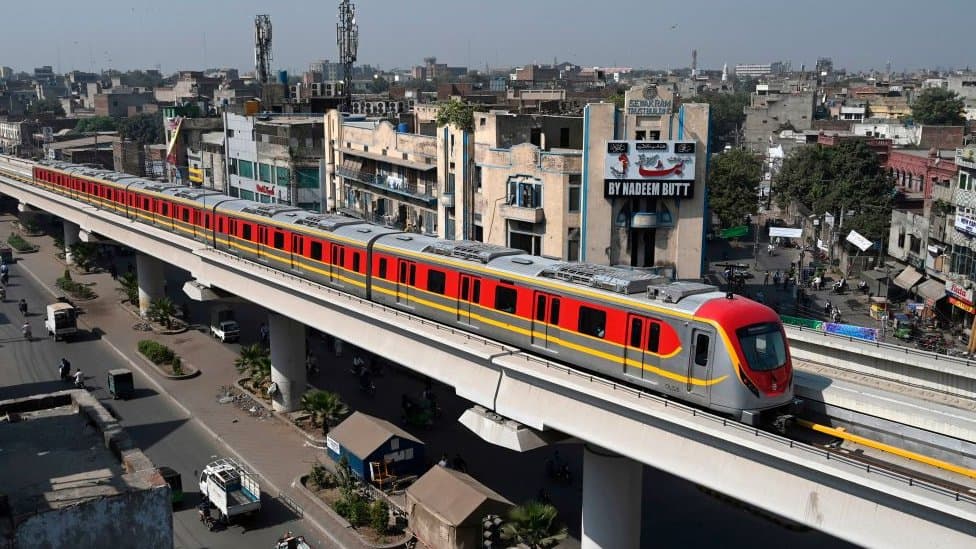
Lahore Orange Line Metro Train
The Lahore Orange Line Metro Train is Pakistan's first urban mass rapid transit rail system; a 27-kilometre elevated and underground electric line with 26 stations connecting Ali Town to Dera Gujran across Lahore. Inaugurated in October 2020 as a flagship CPEC infrastructure project, it gave the city a high-capacity, zero-emission alternative to road-based transport on one of its busiest corridors. TRVERSE delivered the digital payments layer for the network (automated fare collection, payment application development, and Mastercard and Visa payment certifications) supporting cashless, card-ready access across stations and gates.
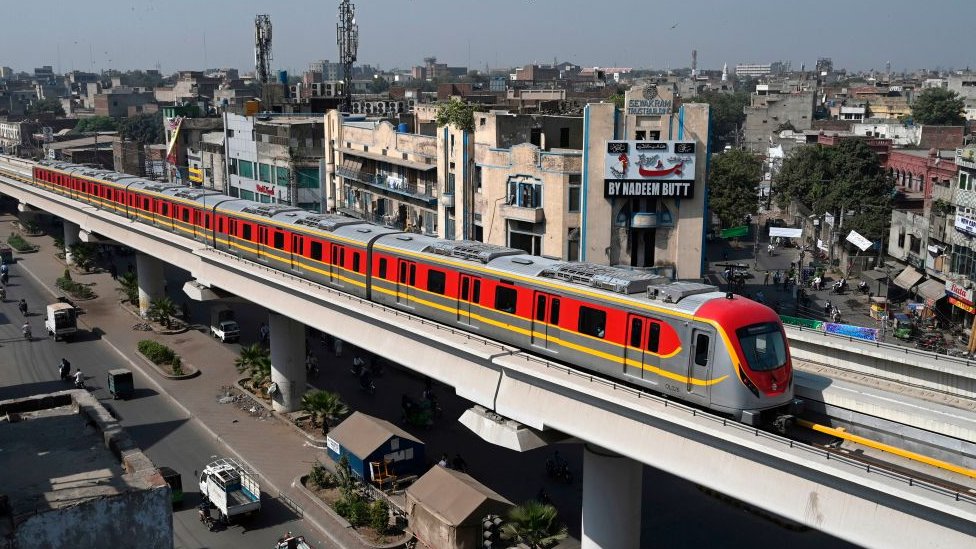
Challenge
A city without rail, a population outgrowing the road network.
Lahore's population and vehicle growth placed severe pressure on road networks, with commuters facing long, unpredictable journeys through congested corridors and limited reliable public transport options. Informal and fragmented bus services could not absorb rising demand, pushing more residents toward private cars and motorcycles and deepening pollution and travel-time inequality across the city. Authorities needed Pakistan's first urban rail line to move high passenger volumes efficiently, while meeting modern standards for electronic fare collection and bank-card payments at station scale; requirements that demanded purpose-built AFC infrastructure and certified payment integrations.
Solution
- 1Automated fare collection deployed across all 26 stations including station gates, ticketing infrastructure, and smart validation aligned to heavy daily ridership
- 2Payment application development; purpose-built for the metro rail environment, supporting fare products, top-ups, and high-volume commuter transactions
- 3Mastercard and Visa payment certifications secured, enabling bank-card acceptance and extending trusted payment options to all Orange Line passengers
Outcomes
Measurable results delivered in production