There is a version of this story that just lists numbers. Fare evasion dropped from over 22 percent to under 4 percent. Daily ridership passed 300,000. An international award followed. All of that is true, and all of it is worth knowing. But the more useful story is what actually had to happen behind those numbers, because the lessons apply well beyond Peshawar.
When TransPeshawar set out to build the Peshawar BRT, the ambition was straightforward on paper. Build a high capacity, modern mass transit system that would genuinely change how people move around one of Pakistan's largest cities. The operational reality underneath that ambition was a lot messier. A growing network needed a fare system that could handle serious passenger volume without falling over, payment options that worked for people across every income level, and real time visibility across a fleet operating throughout the city. Any one of those three things is hard. Getting all three right at once, on a live network, is a different level of challenge.
Where fare evasion problems like this usually come from
Fare evasion on a transit network rarely comes down to one cause. It is often a mix of things: unreliable validators, fare gates that are easy to slip past during a crowded rush hour, and cash based systems that make it hard to catch every missed payment because there is no digital trail to check against. The case study does not break down exactly which of these were driving Peshawar's numbers, but the scale of the problem is clear either way.
At more than 22 percent, Peshawar's evasion rate meant a meaningful share of every trip taken on the network was not being paid for. That is not just a revenue problem, though it certainly is that. It also undermines the basic fairness of a fare system, since honest riders end up subsidizing a gap that a small share of the network is creating.
What actually changed
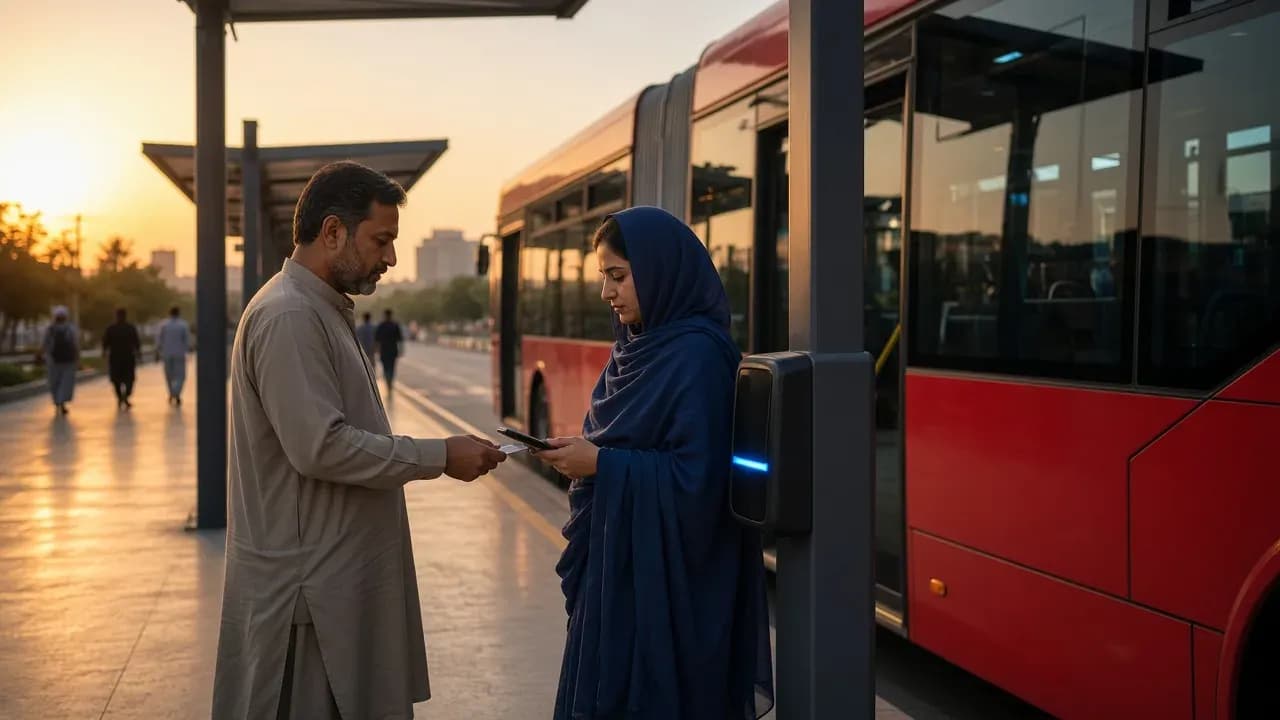
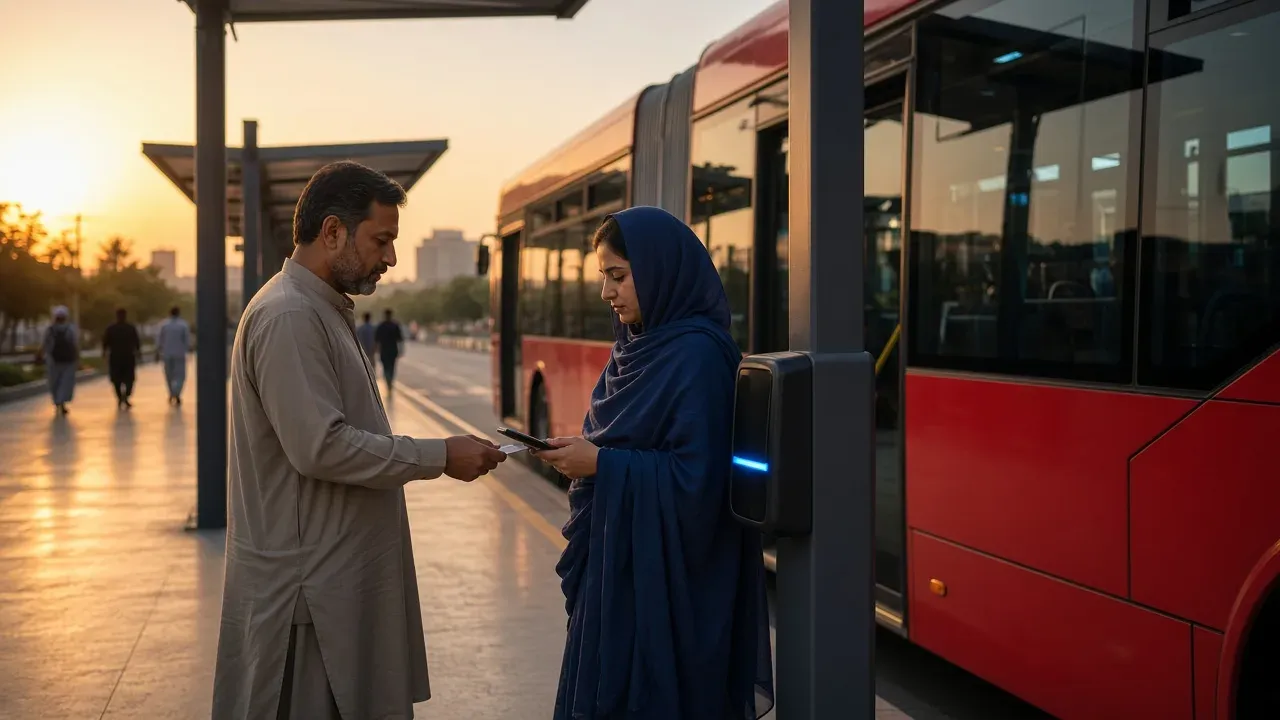
TRVERSE worked with TransPeshawar to deploy contactless automated fare collection at every station and on board validator across the network, paired with real time vehicle tracking and GTFS-RT feeds that fed directly into passenger information. An Intelligent Transport System handled fleet monitoring and management, and the network also integrated a bi-cycle sharing system, extending the reach of the BRT corridor beyond just the bus route itself.
Just as important as the technology was the payment approach. TRVERSE partnered with local banks and financial wallets to build payment infrastructure that actually matched how people in Peshawar already handled money, rather than forcing riders to adopt an entirely new payment habit just to use the bus. That combination, contactless validators paired with locally relevant payment options, meant paying the correct fare became the easiest option instead of the most inconvenient one.
The results, and why they held up
Within the first year, fare evasion fell from more than 22 percent to under 4 percent. That is not a marginal improvement, it is close to an order of magnitude change in how much revenue leakage the network was dealing with. Daily ridership grew to more than 300,000 validated journeys, all moving through a fare system built to handle that kind of volume without buckling under crowded peak hours.
The recognition followed the results rather than the other way around. The network won Best Smart Ticketing Programme at Transport Ticketing Global 2022, a meaningful nod from an international industry audience that judges these programmes against transit systems from around the world. More recently, TransPeshawar was named a finalist at the Decarbonising Transport Awards 2026 in the Best Behaviour Change and Public Engagement category, recognition that speaks to how the network changed rider habits, not just its technical setup.
The part that matters for other cities
It would be easy to read this story and assume the lesson is simply "install better fare gates." That misses what actually made the difference. The fare evasion drop happened because fare collection, fleet visibility, and payment infrastructure were built as one connected system rather than three separate initiatives running on their own timelines. A contactless validator only helps if it is reliable and if operators can see, in real time, when something is not working. Real time reporting only matters if government stakeholders and operations teams both have access to the same numbers, instead of waiting on a report that is already out of date by the time it lands.
That is really the underlying pattern across TRVERSE's work. Peshawar is one of the clearest examples of it in action, but the same logic, connect fare, fleet, and passenger data instead of treating them as separate problems, shows up again on every network the platform touches.
Interested in what a similar outcome could look like for your city or network? Talk to TRVERSE about mapping the right platform to your corridor and your riders.