Every vehicle in a transit fleet is constantly producing information. Fault codes from the engine. Braking patterns from the driver. Fuel burn rates that creep up slowly before anyone notices. Most of the time, none of this gets looked at until something breaks down on route and a supervisor is left asking why nobody caught it sooner.
The frustrating part is that the data to catch it was usually there all along. It just was not being collected, connected, or looked at in a way that made the warning signs visible before they turned into a real problem.
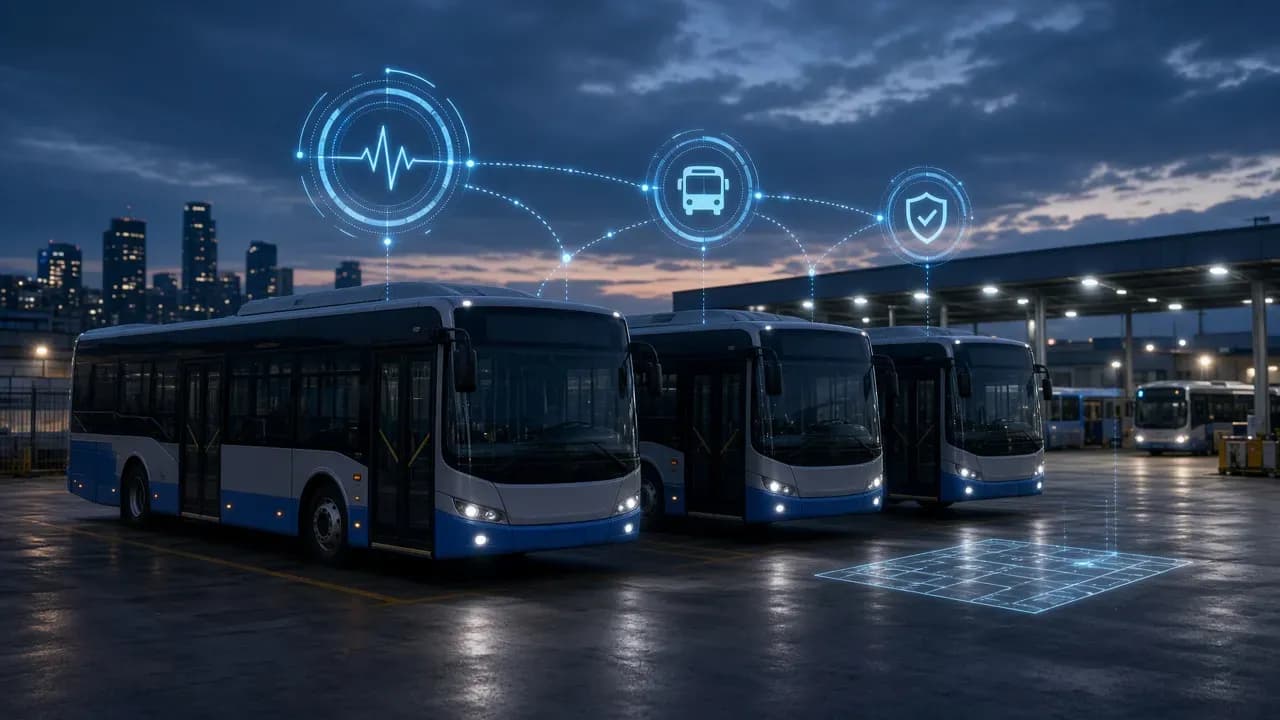
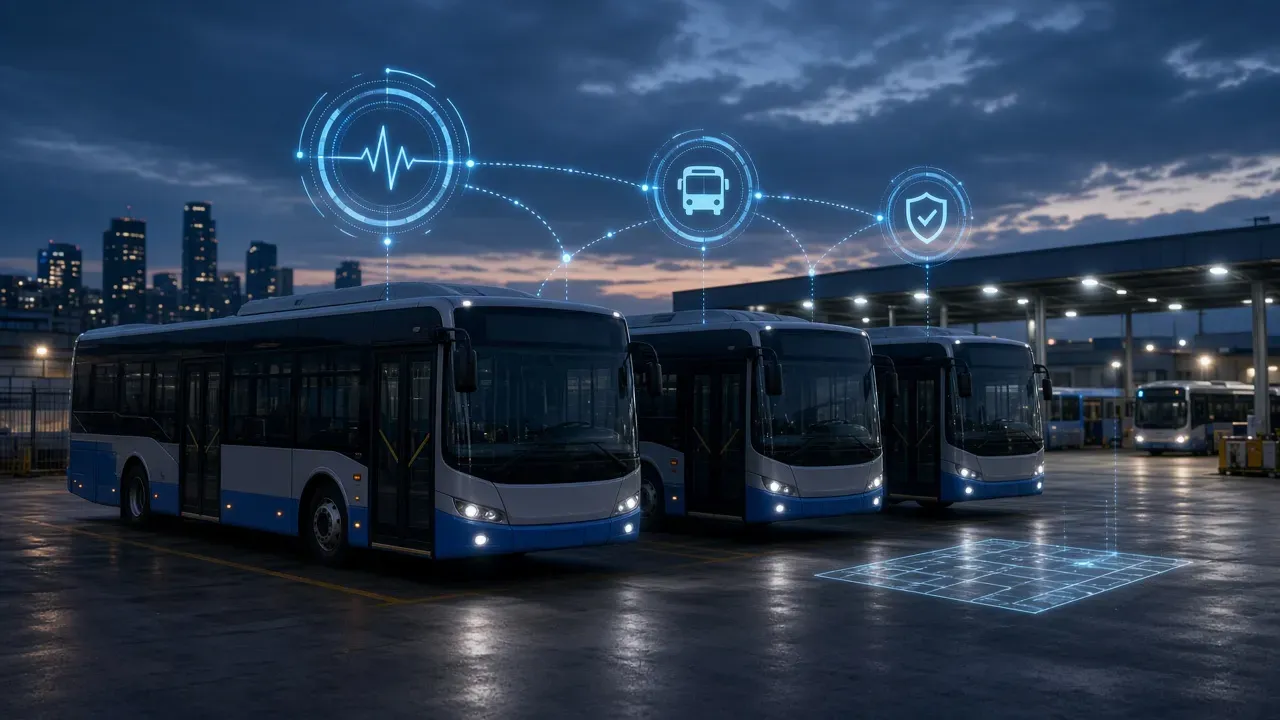
This is the gap TRVERSE's Fleet Management solution is built to close. Keeping a fleet running well takes more than knowing where each vehicle is on a map. It means connecting vehicle health, driver behaviour, maintenance schedules, and fuel consumption into one operational picture, so teams can act on problems before they start affecting service.
What "one command environment" actually means
TRVERSE describes its fleet platform as every vehicle, every moment, in one command environment. In practice, that covers a set of capabilities that usually live in separate, disconnected tools at most transit operators:
- Real time vehicle tracking with geofence alerts and route deviation detection, so a vehicle that strays off its assigned corridor gets flagged immediately instead of showing up as a mystery in an end of day report.
- Driver behaviour analytics covering speeding, harsh braking, idling, and fuel consumption, which gives supervisors an actual basis for coaching drivers instead of relying on passenger complaints or the occasional ride along.
- Predictive maintenance built on fault code analysis and service interval optimisation, catching mechanical issues while they are still a scheduled repair rather than a vehicle stranded on route during peak hours.
- Fuel management with consumption monitoring and supplier integration, turning fuel spend from a line item nobody questions into something that can actually be tracked and controlled.
- Incident management covering collision detection, breakdown response, and CCTV retrieval, so when something does happen, there is a clear record instead of conflicting accounts pieced together after the fact.
- Asset lifecycle management tracking procurement, depreciation, and disposal, which matters more than it sounds like it should when a fleet is planning its next round of vehicle purchases.
- Multi depot operations support, for networks that need centralised oversight without losing the ability to manage individual depots on their own terms.
Put together, this is less about any single feature and more about removing the blind spots that build up when fleet data lives in five different spreadsheets and nobody has time to reconcile them.
The real cost of not connecting these dots
Picture a bus that starts showing a minor fault code. On its own, that code means nothing to anyone unless someone is actively watching for it. A week later, the same vehicle breaks down mid route during the evening commute, stranding passengers and forcing a scramble to get a replacement vehicle out.
That breakdown was not really a surprise. It was a signal that got missed because nobody connected the fault code data to the maintenance schedule in time. Predictive maintenance exists specifically to close that gap, catching the fault while it is still a scheduled fix rather than an emergency.
The same logic applies to driver behaviour. A driver with a pattern of harsh braking is not just a safety risk, they are also burning more fuel and putting more wear on the vehicle. Without behaviour analytics, that pattern is invisible until it shows up as a bigger repair bill or, worse, an incident.
Built for fleets that cannot afford blind spots
This kind of visibility matters most on networks running at real scale, where a single missed maintenance flag or an unnoticed fuel leak can multiply across dozens or hundreds of vehicles. On the Peshawar BRT network, fleet monitoring and management is deployed as part of the same connected platform running fare collection and real time passenger information, supporting a network that now carries over 300,000 validated journeys every day.
At Masar Destination in Makkah, fleet management took on an additional layer of complexity. Because the BRT fleet there is fully electric, TRVERSE's platform includes EV specific charging status monitoring and route optimisation, alongside AI based analytics for driver assistance and behaviour management. Running an electric fleet reliably means knowing not just where a vehicle is, but how much charge it has left and whether its route plan actually accounts for that.
Why this is really about avoiding surprises
Nobody manages a fleet hoping for a perfect, incident free existence. Vehicles will need repairs. Drivers will have off days. What separates a well run fleet from a struggling one is usually not luck, it is whether small problems get caught while they are still small.
That is the underlying promise of a connected fleet management platform. Not a fleet with zero problems, but a fleet where the people responsible for it are not finding out about issues after they have already cost money, time, or passenger trust.
Want to see what real time fleet visibility looks like for your own network? Get in touch with TRVERSE for a demo.